Watercolor painting is one of the most accessible and rewarding art forms for beginners. With just a few basic supplies, you can create beautiful, ethereal pieces that capture light and emotion. In this comprehensive guide, we'll walk you through everything you need to know to start your watercolor journey.
Before you start painting, you'll need to gather a few essential supplies. The quality of your materials can make a significant difference in your experience and results.
Pro Tip: Invest in the best paper you can afford. Good paper makes learning techniques much easier and more enjoyable.
This technique involves applying wet paint onto wet paper. It creates soft, diffused edges and is perfect for backgrounds, skies, and water. Simply wet your paper with clean water, then drop in your paint and watch it spread.
Apply wet paint onto dry paper for crisp, defined edges. This technique gives you more control and is ideal for details, layering, and creating sharp lines.
Use a brush with very little water and paint to create textured, scratchy marks. This technique is great for adding texture like grass, fur, or rough surfaces.
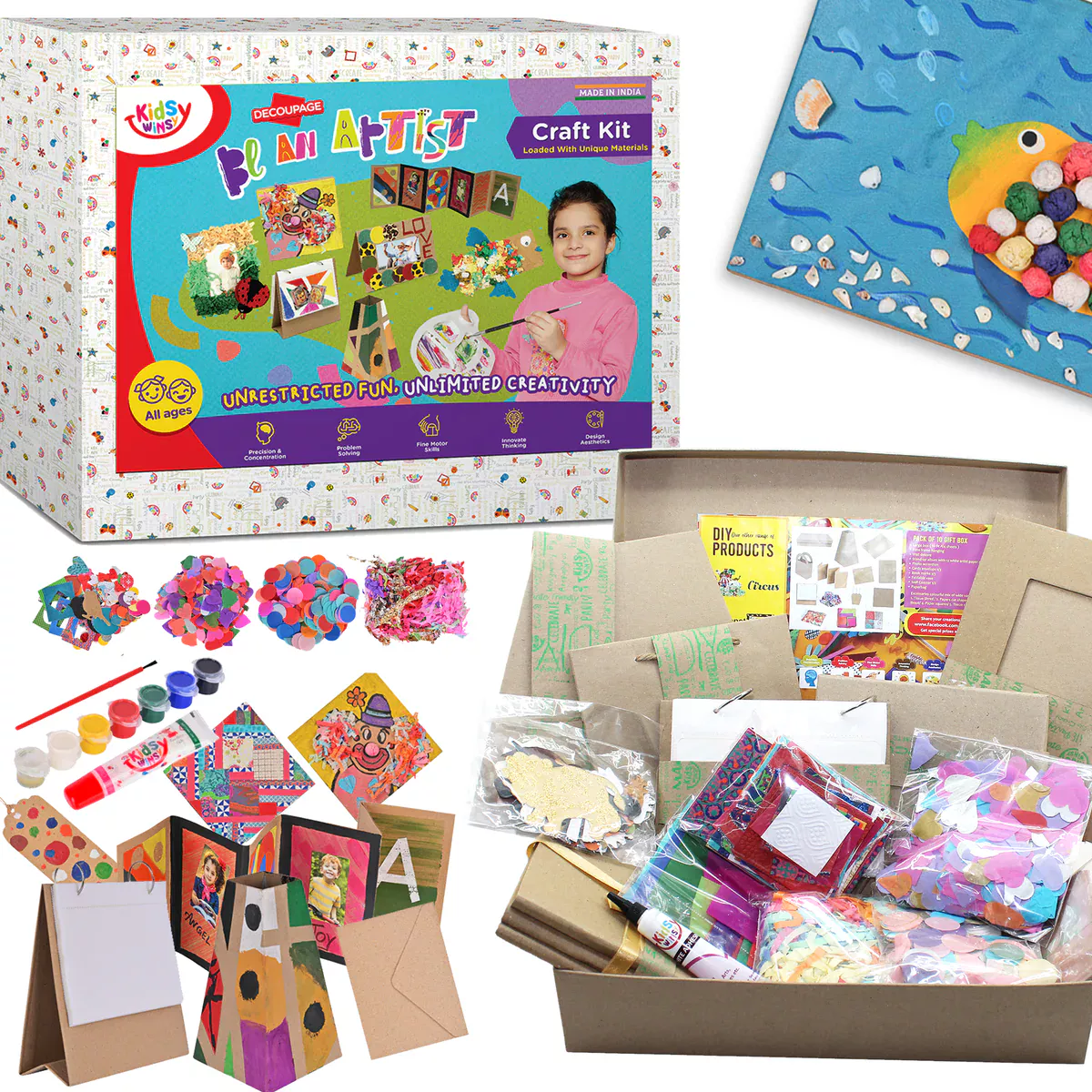
Check out our beginner's watercolor kit, which includes everything you need to get started with your first project.
View Blog
Artist & Educator
Sarah is a watercolor artist with over 10 years of experience teaching beginners. She believes that anyone can learn to paint with the right guidance and encouragement.
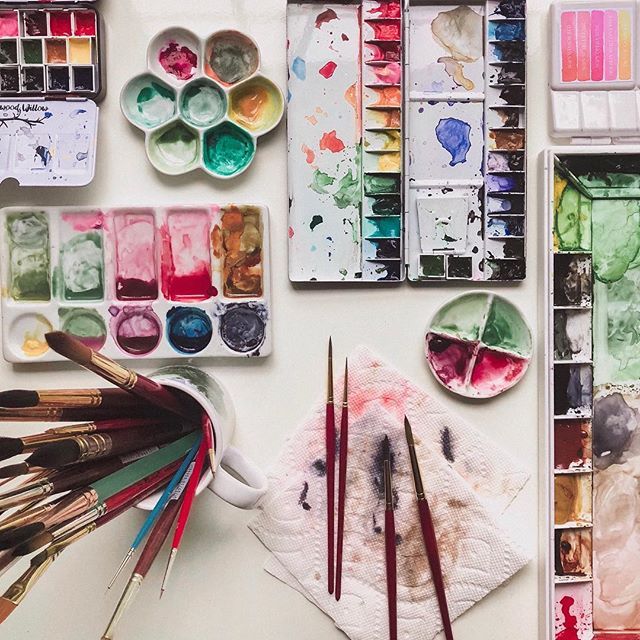
Beginner Watercolor Set
$34.99
Cotton Watercolor Paper
$18.50
3 min read

This is so helpful! I've been struggling with watercolor for months. The wet-on-wet technique explanation finally made it click for me.

Great article! Would love to see more about color mixing techniques. Thanks for sharing!